
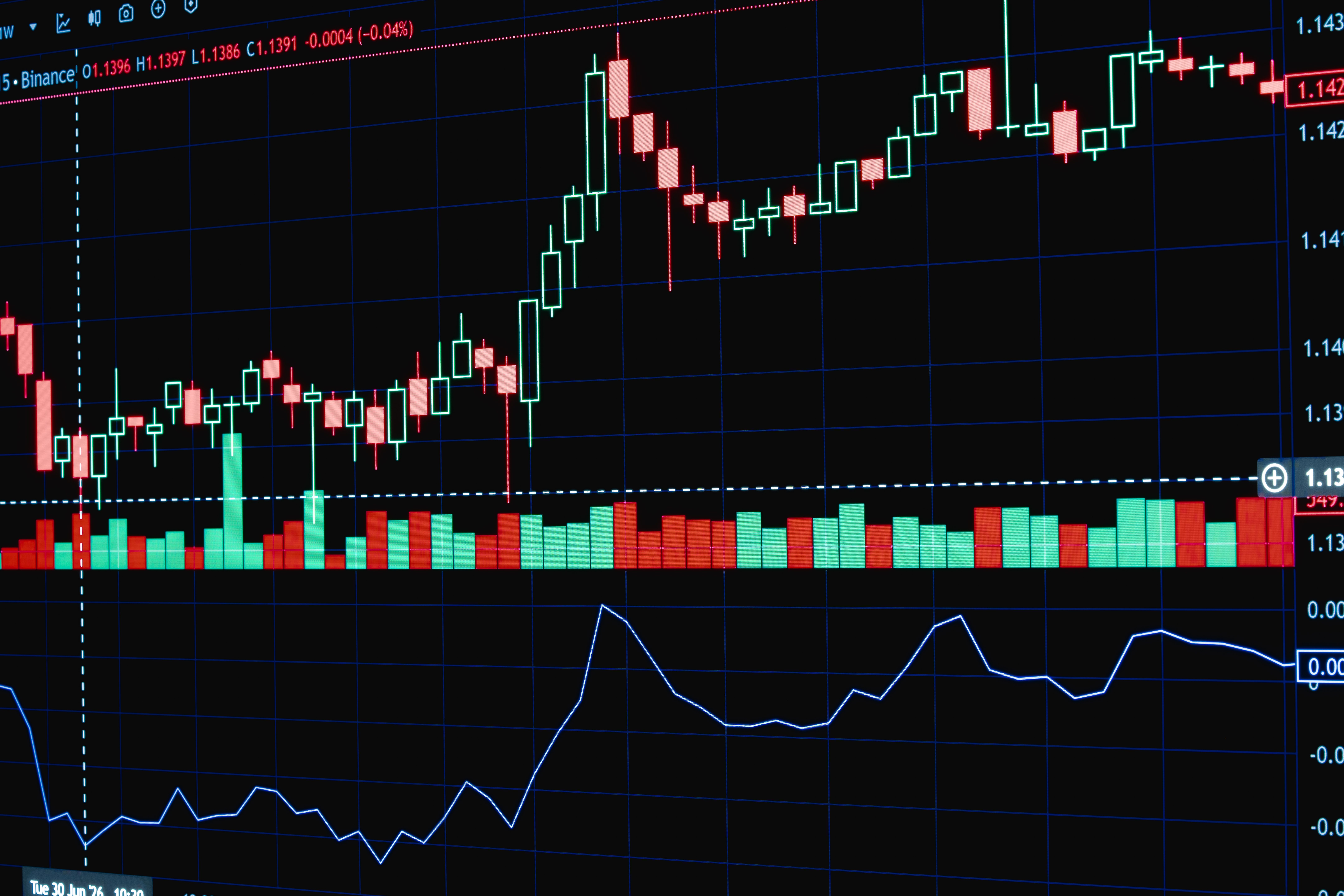
Crypto prices sometimes fall further in minutes than they had in the preceding weeks, then partly recover within the hour. The shape of that move is the signature of forced selling rather than of changed opinion.
Liquidation is automatic and price-insensitive
A leveraged position is closed when its collateral no longer covers its losses by the required margin. The trigger is a price level, not a decision.
The closing order is sent regardless of how thin the book is, because the alternative is the position going further underwater than the collateral can cover.
So a liquidation is a market order of arbitrary size arriving at the worst possible moment, with no discretion about timing.
Each closure moves the price toward the next
Selling into a falling market pushes the price down further, and the next tier of positions has its trigger just below.
Those positions then liquidate, selling again, and the process repeats down the ladder of leverage. Nobody chose the sequence; it was set when the positions were opened.
The clustering matters: traders using similar leverage on similar entries end up with triggers packed into a narrow band, which turns a gradual slide into a single drop.
Liquidity withdraws exactly when it is needed
Market makers observing a violent one-sided move widen their quotes and reduce size, because the risk of being run over has just risen sharply.
The book thins at the moment the largest forced orders arrive, so the same quantity produces far more impact than it would have minutes earlier.
This is the mechanism behind the overshoot, where the price briefly reaches levels no participant would have quoted voluntarily.
The recovery is as informative as the fall
Once the leveraged positions are gone, the selling stops abruptly because it was never driven by holders wanting out.
Liquidity returns, makers requote, and the price often retraces much of the move, which shows the drop was structural rather than a repricing of value.
A fall that does not recover suggests genuine selling underneath the cascade, and distinguishing the two is most of what post-event analysis tries to do.
Venue design changes the severity
Some venues liquidate positions in partial increments rather than closing them entirely, which reduces the size hitting the book at each trigger.
Others rely on an insurance fund and an auction process that hands positions to willing takers rather than dumping them into the open market.
Index pricing drawn from several venues also prevents a single thin market from triggering liquidations everywhere, which was a common failure in earlier designs.