
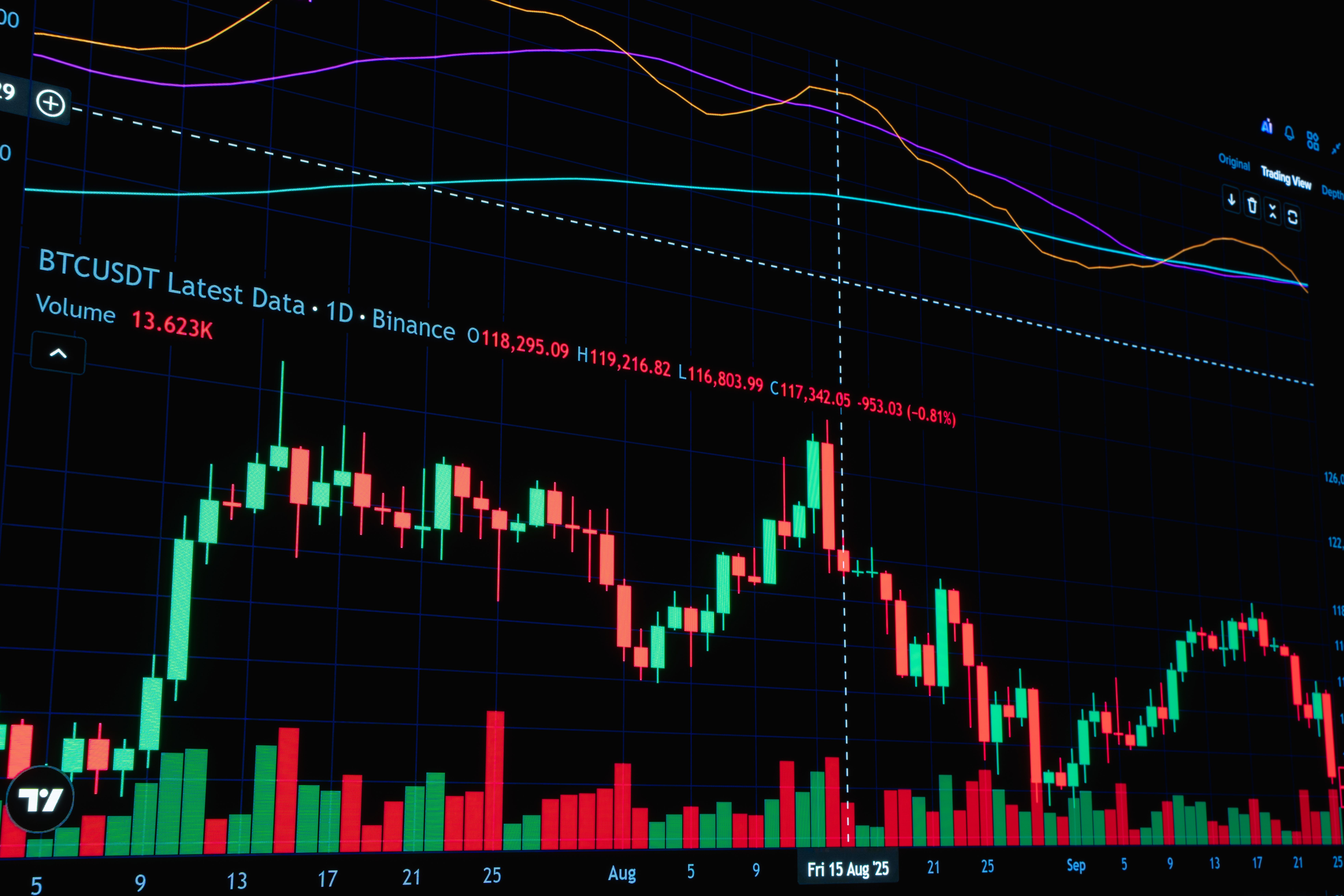
Transaction fees can multiply within a couple of blocks and return to normal shortly afterwards. That pattern follows from how capacity is fixed and how the fee mechanism responds to it.
Capacity is fixed in the short run
Each block carries a limited amount of computational work, and that limit does not expand because demand rose.
When more transactions want inclusion than fit, the excess waits, and inclusion is allocated by what people are willing to pay.
Nothing about the supply side can respond within a block, so the entire adjustment happens through price.
The base fee moves with recent occupancy
A base fee is set by the protocol and adjusted each block according to how full the previous one was, rising when blocks exceed target and falling when they fall short.
The adjustment is bounded per block, so a sudden surge takes several blocks to be fully priced in rather than jumping instantly.
Because the change compounds block by block, sustained congestion produces a steep climb over a short period, which is the shape users experience as a spike.
Demand arrives in coordinated bursts
Activity is not spread evenly. A popular mint, a liquidation cascade or an arbitrage opportunity creates many participants wanting the same block.
These events are correlated by design, since everyone is responding to the same trigger at the same instant.
The burst is also brief, because the opportunity resolves within a few blocks, after which the demand simply disappears.
Priority fees allocate position within a block
The base fee determines whether a transaction is included at all. A separate tip determines ordering among those competing for the same block.
Where ordering carries profit, participants bid the tip up far beyond the base fee, and those bids are what produce extreme individual transaction costs.
The tip is paid to the block producer while the base fee is burned, so the two components have different destinations as well as different purposes.
Decay is faster than the climb
Once blocks fall below target, the base fee reduces every block, and it falls quickly because the burst that raised it was short-lived.
Users who submitted transactions during the spike frequently find that waiting several minutes would have cost a fraction as much.
This is why wallets estimate fees over a short horizon and why setting a low maximum with patience is a viable strategy for anything not time-sensitive.