
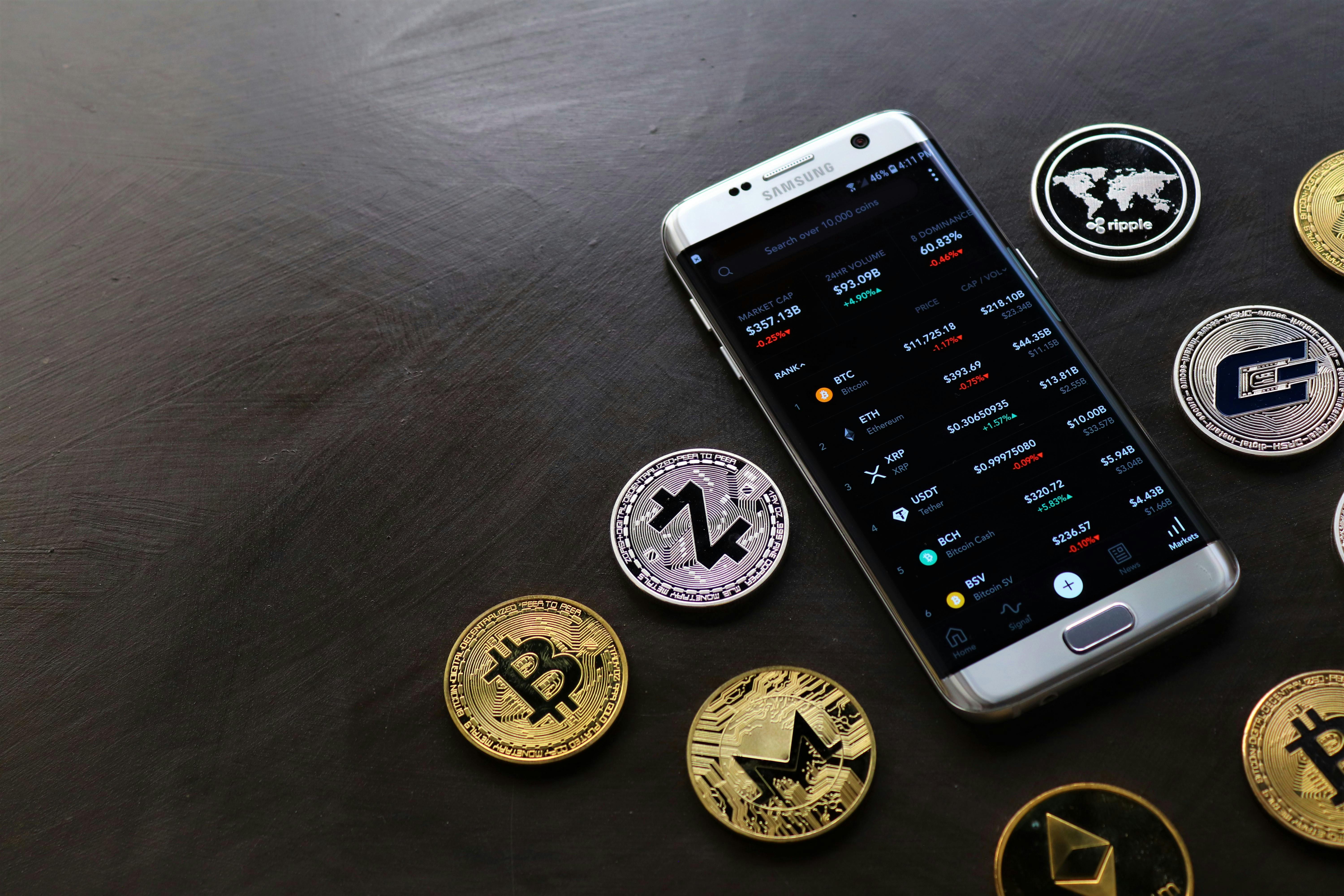
Several networks have experienced disagreements severe enough to produce permanent splits, and enough time has passed to observe how they resolved.
What a contentious fork is
A rule change adopted by part of a network and rejected by another part.
Which produces two chains sharing a history and diverging afterwards.
Holders at the split point hold assets on both.
The block size dispute
A long argument about whether to increase transaction capacity by raising block size.
Which pitted throughput against the cost of running a validating node.
It ran for years across forums, conferences and competing implementations before resolving in a split.
How it was decided
Economic nodes — exchanges, wallets and users — chose which rules to enforce.
Which demonstrated that miners propose and node operators dispose.
The mechanism used to signal and enforce this became a precedent for later coordination.
Market outcomes
Split chains have generally seen the minority chain decline substantially in relative value and activity.
Which is observable in market data and in on-chain transaction counts.
Network effects concentrate on one chain in most cases.
Replay protection
Preventing a transaction valid on one chain from executing on the other.
Which was absent in at least one split and caused user losses.
It is now standard practice for any planned divergence.
The intervention fork
A different case, where a chain reversed the effects of an exploit.
Which raised the question of whether rules are immutable in practice.
Both chains from that split continue to operate with different philosophies about intervention.
Governance lessons
Networks with formal on-chain governance resolve such disputes faster and concentrate the decision.
Which is a genuine trade-off rather than an improvement.
Informal governance is slower and harder to capture.
What the record shows
Splits are costly, resolve toward one chain, and are ultimately decided by what economic participants choose to use.
Exchange decisions
Which chain retains an existing ticker symbol is decided by trading venues.
Which is an informal but consequential power.
Ticker allocation shaped perception of which chain was the continuation.
Hash rate and security
A minority chain retains a fraction of the security budget.
Which has left some split chains vulnerable to reorganisation attacks.
Successful attacks on smaller chains have occurred and are documented.
Developer allocation
Contributor attention concentrates on the chain with activity.
Which compounds the divergence over time.
Maintaining a full implementation requires sustained resource that minority chains struggle to fund.
User experience during splits
Confusion about which assets exist on which chain and how to access them.
Which caused losses where replay protection was absent.
Wallets and exchanges publish guidance during planned splits.
The governance question that remains
Who decides, on what basis, and how disagreement is resolved without splitting.
Community and identity
Splits divided communities as much as codebases.
Which produced lasting acrimony visible in forums and social platforms.
Identity attached to a chain's philosophy rather than to its technical properties in several cases.
Subsequent splits
Chains that split have themselves split again.
Which demonstrates that the disagreement mechanism does not resolve underlying governance questions.
Each subsequent split has generally been smaller and less consequential.
Scaling resolution
The capacity question that prompted one major split was ultimately addressed through layered approaches.
Which neither side of the original argument had proposed.
Technical development frequently outpaces the disputes it is meant to settle.
What holders should know
Self-custodied assets exist on both chains after a split, and accessing them requires care with replay protection.
The governance conclusion
Rules are enforced by whoever runs the software, which is a social fact rather than a technical one.
Why it still matters
The splits demonstrated that consensus rules are enforced socially, by the choices of node operators, exchanges and users.
Anyone claiming a protocol is immutable is describing an intention rather than a property, and the historical record settles that question.
Reading the primary material
Mailing lists, forum archives and improvement proposals from the disputes are preserved.
Which allows the arguments to be read as they were made rather than as they are now characterised.
The practical takeaway
If you hold assets in self-custody through a split, both chains are accessible, and replay protection determines how safely.
What forks are used for now
Planned upgrades rather than contested splits, executed with coordination and notice.
Which is the normal case and passes largely unnoticed by users.
Contentious splits have become rarer as governance processes matured on major networks.
The one sentence version
Rules are what node operators choose to enforce, and the historical record settles that question rather than debating it.
A note on what did not happen
The predicted collapse of one chain or the other did not occur in either major split.
Both continue, with very different levels of activity, which is a more interesting outcome than either side anticipated.
Predictions made confidently during the disputes have aged poorly on all sides, which is worth remembering during the next one.