
Hardware vs software wallets has been this nagging question in my head ever since I dove deeper into crypto a couple years back. I’m sitting here in my messy home office in California right now—it’s January 2026, gray rainy day outside, coffee going cold on my desk next to my laptop—and honestly, I’ve flipped-flopped on this so many times it’s embarrassing. Like, I started with software wallets because they were free and easy, but then I had this panic moment… anyway, let’s get into it.
My Early Screw-Ups with Software Wallets and Why Hardware vs Software Wallets Started Haunting Me
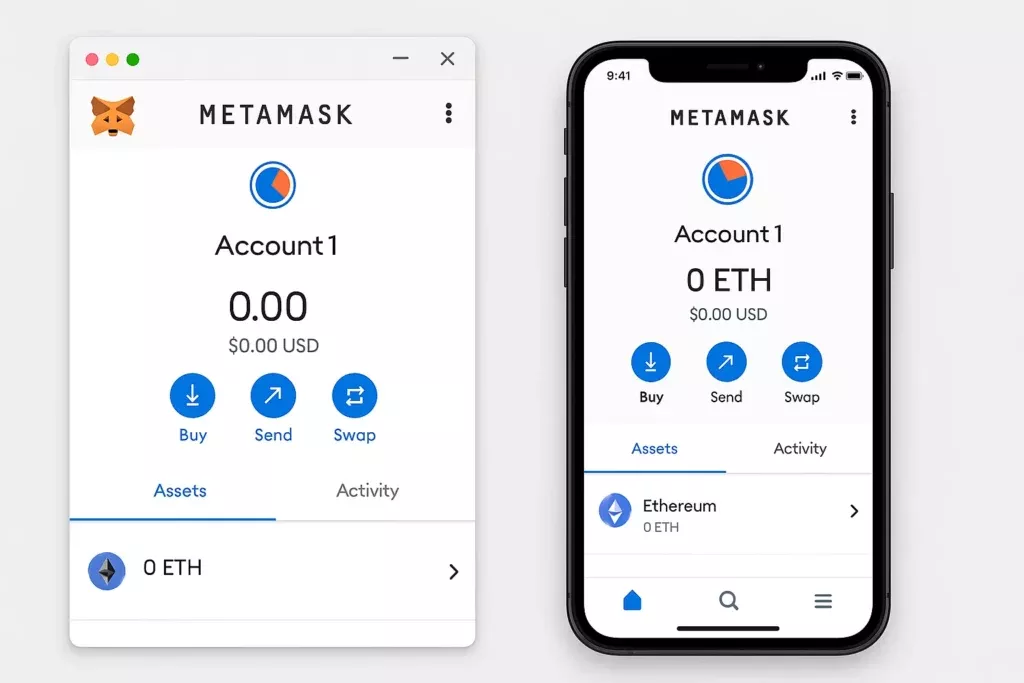
Back when I first got into crypto around 2022, I was all about convenience. MetaMask on my phone, Exodus on my desktop—software wallets felt like magic. Quick swaps, easy staking, no fumbling with cables. But man, the paranoia crept in fast. I remember this one night in 2024, I’m in my apartment in Seattle at the time, scrolling Twitter (yeah, still call it that), and I click a shady link for some airdrop. Heart drops—nothing happened immediately, but I spent the next week sweating, checking my balances every hour. Turns out it was nothing, but that scare? It made me realize software wallets are always “hot,” always connected, always vulnerable to malware or phishing.
And phishing is no joke. In 2025 alone, personal wallet compromises hit like 158,000 incidents according to Chainalysis reports. Mostly software wallet users getting drained because of fake sites or malicious extensions. I almost fell for one of those fake MetaMask updates last year—seriously, the email looked legit, and I hovered over the link before backing out. Embarrassing how close that was. Software wallets are great for small amounts or daily trading, but for anything serious? Nah, they’re exposed.

Switching to Hardware Wallets: My “Aha” Moment in the Hardware vs Software Wallets Debate
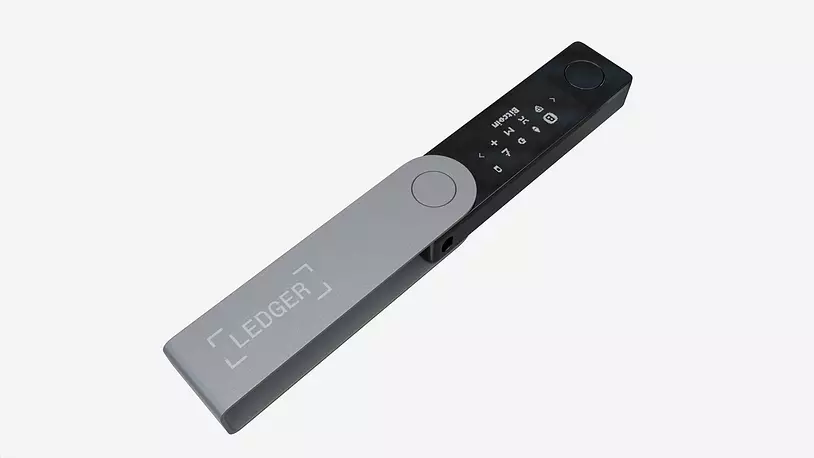
So after that near-miss, I bit the bullet and grabbed a Ledger Nano X. Best decision ever? Kinda, yeah. Hardware wallets keep your private keys offline—cold storage, baby. No internet, no hacks from malware. You plug it in only to sign transactions, and even then, you confirm on the device itself. I lost my seed phrase once (wrote it sloppy, thought I had it memorized—dumbass move), but luckily had a backup on metal. That panic attack taught me: backup properly, folks.
Now in 2026, I’m using a Trezor Safe 5 mostly, because it’s open-source and feels more trustworthy after some Ledger drama in the past. Hardware wallets aren’t perfect—they can get lost or damaged (mine survived a drop in the kitchen last month, thank god)—but they’re way safer for long-term holding. Experts everywhere, like from CoinLedger and Milk Road reviews, call them the gold standard because private keys never touch the internet.
Check out resources like Ledger’s official site or Trezor’s guide for setups—they’ve got solid tutorials.

Pros and Cons: Breaking Down Hardware vs Software Wallets Like I’m Ranting to a Buddy
Look, neither is perfect. Software wallets (hot wallets like MetaMask or Trust Wallet) are super convenient—send crypto in seconds, integrate with DeFi easy-peasy. But they’re prone to online attacks, and 2025 saw tons of extension hacks and phishing draining millions.
Hardware wallets (cold ones like Ledger, Trezor, or Coldcard) win on security hands-down. Offline keys mean hackers can’t touch ’em remotely. But they’re clunky—forget quick trades—and if you lose the device without backup, poof, gone forever.
Here’s a quick rundown:
- Software Wallets Pros: Free, fast, mobile-friendly. Great for small stuff or active trading.
- Cons: Vulnerable to hacks, malware, phishing. Hot = always at risk.
- Hardware Wallets Pros: Top-tier security, immune to online threats. Peace of mind for big holdings.
- Cons: Costs money ($50-300), less convenient, physical loss risk.
From my experience, use both: software for play money, hardware for the serious stack. That’s what saved me during the 2025 volatility.
For more on recent breaches, Chainalysis has eye-opening reports here: https://www.chainalysis.com/blog/crypto-hacking-stolen-funds-2026/.
Real Talk on Risks: Why Hardware vs Software Wallets Still Keeps Me Up Sometimes
Even with hardware, user error is the killer. I know a guy who got “wrenched”—robbed IRL for his seed phrase. Scary stuff in 2025 news. And software? Extensions like Trust Wallet got compromised last year, draining millions. Me? I stick to verified sources now, double-check everything.
But contradictions hit me: I love the ease of software for staking rewards, yet sleep better knowing most of my crypto is on hardware. Flawed human here—I’ll probably always mix ’em.
Wrapping This Up: My Take on Hardware vs Software Wallets in 2026
Honestly, if you’re holding any real amount, go hardware. It’s safer, period—offline beats online every time for security. But don’t be like early me and ignore backups or click dumb links. Start small: grab a Trezor or Ledger (check current best lists on sites like https://bitcoinmagazine.com/business/top-self-custody-bitcoin-wallets-for-2026), set it up properly, and move your main holdings there.
What about you? Drop your stories below—have you been hacked, switched wallets, or got a fave setup? Let’s chat, seriously. Stay safe out there.

