
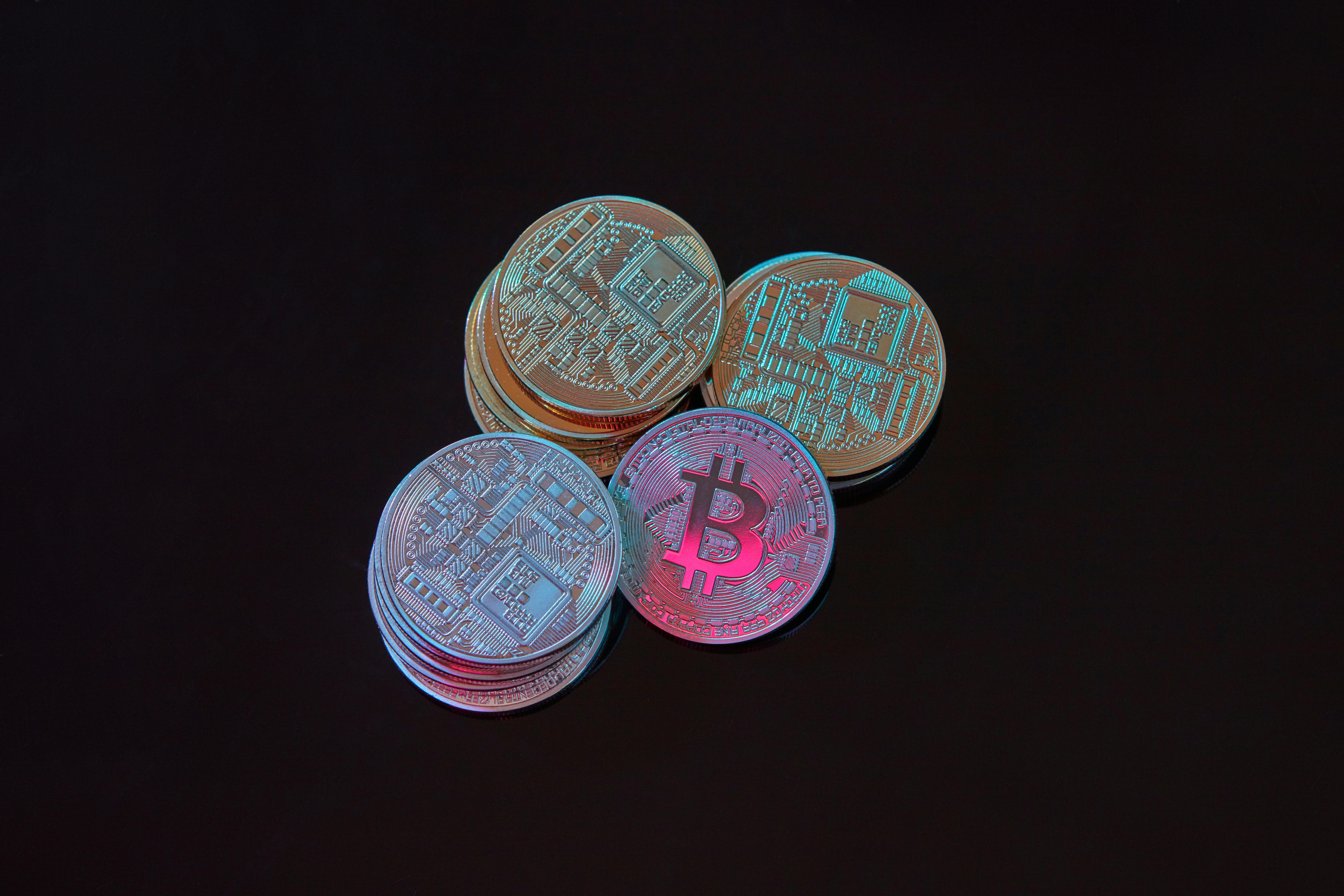
In 2026, with Bitcoin firmly established as a global reserve asset and its value soaring, securing your digital wealth has never been more critical. This comprehensive guide dissects the evolving landscape of Bitcoin custody, comparing the absolute control of self-custody solutions like advanced hardware wallets and multisig setups against the convenience and regulated security of institutional custodians. Discover the best strategies to protect your Bitcoin, optimize for inheritance, and make an informed decision on how to safeguard your investment for the long term.
Introduction to the Topic
Welcome to 2026, a year where Bitcoin's market capitalization routinely rivals that of major global economies, and its role as a hedge against inflation and a store of value is undeniable. As the digital gold narrative solidifies, so too does the imperative for robust, intelligent asset protection. The age-old adage, "not your keys, not your coins," resonates louder than ever, yet the practicalities of safeguarding significant Bitcoin holdings have grown increasingly complex. For many, the choice between ultimate personal control and professional, insured custody represents a pivotal financial decision. This article from gocryptotrends.com is designed to empower you with the knowledge needed to navigate this critical landscape, ensuring your Bitcoin investment is secure for generations to come. Whether you're a seasoned HODLer, a new investor, or a family office looking to diversify, understanding the nuances of Bitcoin custody is paramount to preserving your digital wealth.
Backgrounds & Facts
The journey of Bitcoin custody has been fraught with both innovation and peril. In its early days, holding Bitcoin often meant relying on vulnerable online exchanges or rudimentary software wallets, leading to a painful history of hacks, scams, and lost private keys. Billions of dollars in Bitcoin have been irrevocably lost due to user error, hardware failure, or malicious actors. This harsh reality birthed the ethos of self-custody – taking full responsibility for one's private keys, typically through hardware wallets or cold storage solutions.
Fast forward to 2026, and the landscape has matured dramatically. The entry of institutional players, including major financial institutions and Fortune 500 companies, into the Bitcoin space has driven the demand for highly secure, regulated, and compliant custody solutions. Bitcoin Spot ETFs, now widely available across numerous jurisdictions, have further legitimized the asset, but these products often rely on institutional custodians to hold the underlying Bitcoin. The regulatory environment has also evolved, with clearer guidelines emerging for digital asset custodians, offering a layer of protection and transparency previously unavailable. However, this increased institutionalization brings its own set of considerations, particularly regarding counterparty risk, fees, and the philosophical debate around decentralization.
Key facts underpinning today's custody choices:
- Bitcoin's Growth: A single Bitcoin's value has soared, making even small holdings significant.
- Security Breaches: While fewer high-profile exchange hacks occur, individual phishing and social engineering attacks remain a threat for self-custodians.
- Regulatory Clarity: Major financial hubs now have frameworks for digital asset custodians, offering assurance for institutional clients.
- Technological Advancements: Hardware wallets are more sophisticated, and multisignature solutions are more user-friendly, bridging the gap between security and accessibility.
Expert Opinion / Analysis
"In 2026, the choice between self-custody and institutional custody isn't about right or wrong; it's about aligning your risk profile with your operational capabilities," states Dr. Evelyn Reed, a leading digital asset strategist at Quantum Capital Group. "For the individual investor with a smaller portfolio, a well-managed hardware wallet remains an excellent default. However, as portfolio values escalate into the seven, eight, or even nine figures, the complexities of estate planning, inheritance, and multi-generational wealth transfer become overwhelming for a single individual."
Reed emphasizes the evolving threat landscape. "While quantum computing isn't an immediate threat to current Bitcoin cryptography, the continuous advancement of sophisticated cyber-attacks means that even advanced self-custody requires diligent education and practice. Institutional custodians, with their multi-layered security protocols, air-gapped cold storage, and comprehensive insurance policies, offer a peace of mind that's difficult for most individuals to replicate."
However, the expert also cautions against complacency. "Users of institutional custodians must thoroughly vet their chosen provider. Look for robust regulatory compliance, independent security audits, proof of reserves, and clear service level agreements. Counterparty risk, though mitigated by regulation, is never entirely eliminated. The ideal scenario for many high-net-worth individuals and family offices is often a hybrid approach – a portion in ultra-secure self-custody and another managed by a reputable, insured custodian for diversification and ease of management." The consensus among experts is clear: informed decision-making, tailored to individual needs, is the ultimate key to secure Bitcoin custody in this new era.
💰 Best Options in Comparison (VERY IMPORTANT)
Choosing the right Bitcoin custody solution is a critical decision that impacts the long-term security and accessibility of your digital wealth. In 2026, the market offers a spectrum of options, each with distinct advantages and disadvantages. Let's explore the leading choices:
Self-Custody Solutions
Self-custody means you, and only you, hold the private keys to your Bitcoin. This offers maximum control but also maximum responsibility.
- Hardware Wallets (Cold Storage): Devices like the Ledger Nano X (2026 Edition), Trezor Model T, and Coldcard Mk4 remain the gold standard for individual self-custody. These devices keep your private keys offline, protecting them from online threats. They are ideal for long-term HODLers who prioritize security above all else and are comfortable managing their seed phrases and device backups. Modern hardware wallets feature advanced secure elements, multi-coin support, and increasingly intuitive interfaces. However, losing your seed phrase or device, or failing to properly secure your backup, means permanent loss of funds.
- Multi-Signature (Multisig) Wallets: Services like Casa and Unchained Capital offer enhanced self-custody by requiring multiple private keys to authorize a transaction. For example, a 3-of-5 multisig setup might require any three out of five keys (held by you, a trusted family member, and the multisig provider) to move funds. This eliminates single points of failure, provides redundancy, and simplifies inheritance planning. It's a powerful solution for those with substantial holdings who want self-custody with added layers of security and recovery options. While more complex to set up than a simple hardware wallet, the peace of mind and resilience they offer are unparalleled for serious investors.
Institutional Custody Solutions
Institutional custody involves entrusting your Bitcoin to a regulated third-party provider that specializes in secure digital asset storage. These are often used by institutions, high-net-worth individuals, and those seeking insured, compliant solutions.
- Regulated Digital Asset Custodians: Firms such as Fidelity Digital Assets, Coinbase Custody, Gemini Custody, and BitGo provide enterprise-grade security for Bitcoin. They employ advanced cold storage techniques, often in geographically distributed vaults, with multi-party computation (MPC) and robust cybersecurity frameworks. These custodians are typically regulated, offer insurance policies against theft or operational errors, and provide comprehensive reporting and audit trails. They are ideal for corporations, family offices, and individuals who prefer professional management, compliance, and the highest level of insurance-backed security, even at the cost of direct control over their private keys. They also simplify complex tasks like estate planning for digital assets.
Comparison Table: Bitcoin Custody Solutions in 2026
| Feature | Hardware Wallets (e.g., Ledger, Trezor) | Multisig Wallets (e.g., Casa, Unchained) | Institutional Custodians (e.g., Fidelity, Coinbase Custody) |
|---|---|---|---|
| Security Model | Private keys offline on device, user-managed seed phrase. | Multiple keys required, distributed across parties/devices. | Enterprise-grade cold storage, MPC, physical security, audits. |
| Control | Absolute user control. | High user control, with redundancy. | Delegated to professional third-party. |
| Complexity | Low to Medium (managing seed phrase). | Medium to High (setup & key management). | Low for user (provider handles complexity). |
| Cost | One-time device purchase ($50-$300). | Annual subscription fees ($120-$5000+). | Custody fees (0.25%-1% AUM annually), withdrawal fees. |
| Insurance | None (user is responsible). | Limited or none (user is responsible for keys). | Comprehensive insurance against theft/loss (up to limits). |
| KYC/AML | Not required for use (may be for purchase). | Required for service provider's key. | Mandatory and extensive. |
| Inheritance | Complex, requires careful planning & trusted parties. | Built-in redundancy, easier for heirs with proper setup. | Professional services, legally binding agreements. |
| Target User | Individual investors, HODLers, tech-savvy users. | High-net-worth individuals, families, advanced users. | Institutions, family offices, corporations, wealth managers. |
Outlook & Trends
The future of Bitcoin custody in 2026 and beyond is characterized by innovation, integration, and increasing sophistication. We anticipate several key trends:
- Hybrid Models Dominance: The distinction between self-custody and institutional custody will blur. More investors will adopt hybrid strategies, using multisig solutions with trusted third-party key recovery services or distributing their holdings across both personal hardware wallets and regulated custodians.
- Enhanced User Experience for Multisig: Expect multisignature solutions to become even more user-friendly, integrating seamless onboarding, clearer key management interfaces, and potentially even biometric authentication for key access, reducing the technical barrier for mainstream adoption.
- AI-Powered Security: Artificial intelligence will play a greater role in monitoring transactions for anomalies, identifying potential phishing attempts, and providing real-time threat intelligence for both individual users and institutional custodians.
- Decentralized Identity (DID) Integration: Self-sovereign identity solutions based on blockchain technology could revolutionize KYC/AML processes for custodians, making them more efficient and privacy-preserving.
- Regulatory Harmonization: As Bitcoin gains global acceptance, expect greater international cooperation and standardization in digital asset custody regulations, fostering trust and enabling cross-border institutional adoption.
- Quantum Resistance: While not an immediate threat, research and development into quantum-resistant cryptography will continue, with custodians exploring and integrating post-quantum security measures into their infrastructure.
These trends point towards a future where securing Bitcoin is more robust, flexible, and tailored to individual and institutional needs than ever before.
Conclusion
As Bitcoin continues its trajectory as a foundational pillar of the global financial system in 2026, the responsibility of securing your investment becomes paramount. The choice between the empowering control of self-custody and the professional security of institutional custodians is deeply personal, requiring a careful evaluation of your risk tolerance, technical proficiency, and long-term financial goals. Whether you opt for the robust independence of a hardware wallet, the resilient redundancy of a multisignature setup, or the comprehensive protection offered by a regulated institutional custodian, the most crucial step is to make an informed decision. Do your due diligence, understand the trade-offs, and ensure your chosen solution aligns perfectly with your individual needs for security, accessibility, and inheritance planning. Protect your digital legacy – because in the world of Bitcoin, your keys truly are your kingdom. Explore the options discussed today to secure your financial future.