
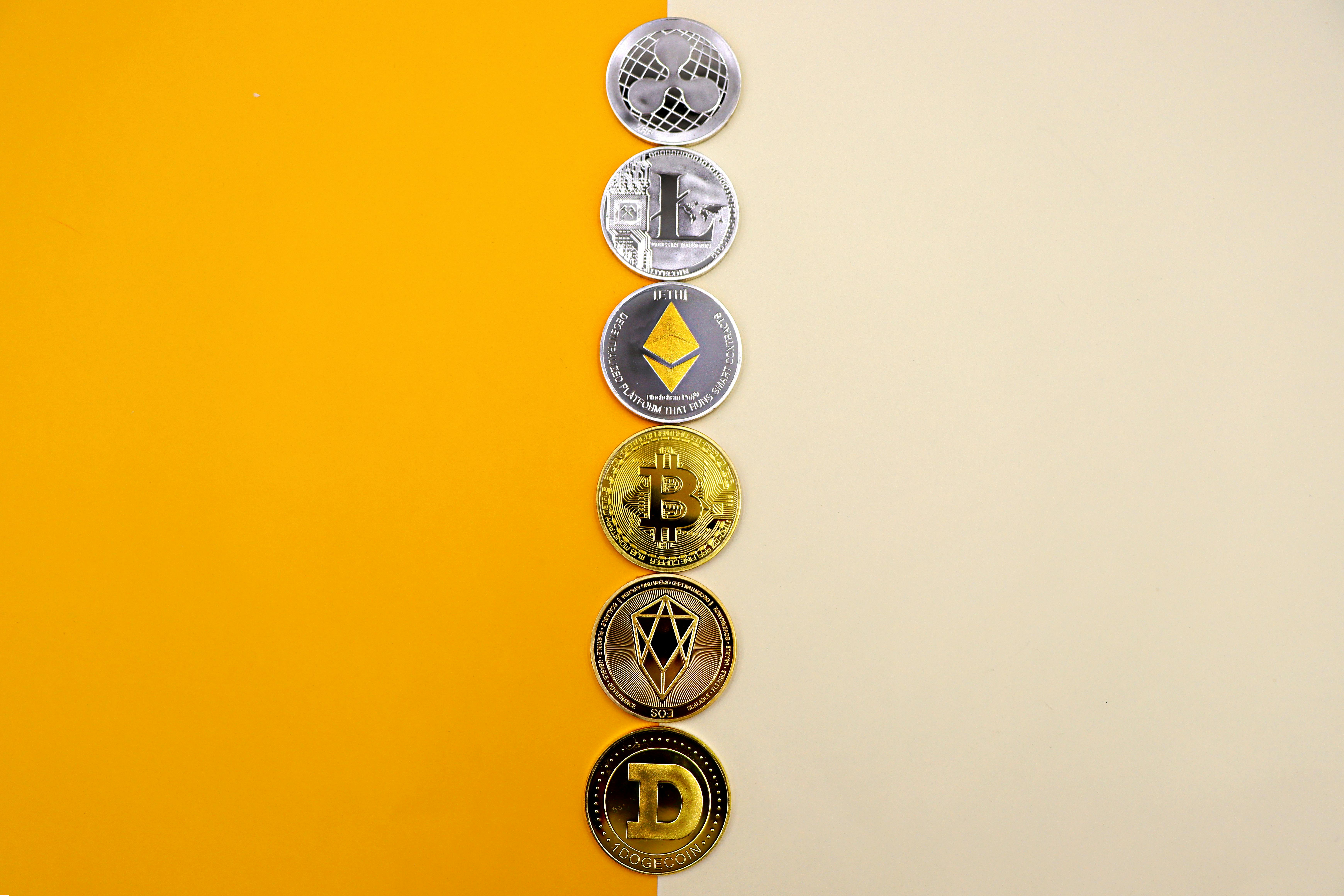
In 2026, Real World Assets (RWAs) are transforming decentralized finance, offering investors stable, diversified, and high-yield opportunities by tokenizing everything from real estate to government bonds. Discover the top platforms and best strategies to invest in tokenized assets and generate passive income in this revolutionary DeFi sector.
Introduction to the Topic
Welcome to 2026, where the lines between traditional finance (TradFi) and decentralized finance (DeFi) are not just blurring – they're dissolving. At the forefront of this financial revolution are Real World Assets (RWAs). If you haven't heard the buzz yet, prepare to have your investment horizons expanded. RWAs are physical or intangible assets from the traditional economy – think real estate, government bonds, corporate credit, commodities, or even intellectual property – that are tokenized and brought onto the blockchain. This innovation isn't just a niche trend; it's rapidly becoming the bedrock of a more mature, stable, and accessible DeFi ecosystem, offering unprecedented opportunities for investors seeking diversified and often more predictable yields than volatile crypto assets.
For years, DeFi promised high returns but often came with the inherent volatility of native cryptocurrencies. RWAs change that narrative entirely. By tokenizing tangible assets, DeFi protocols can now offer exposure to stable, revenue-generating, and often less correlated investments, opening the floodgates for both crypto natives and traditional investors alike. In 2026, the infrastructure, regulatory clarity, and institutional appetite have matured to a point where investing in RWAs is no longer a fringe experiment but a strategic imperative for optimizing your crypto portfolio. This article will guide you through the burgeoning RWA landscape, highlight the premier platforms, and empower you to make informed investment decisions that could redefine your financial future.
Backgrounds & Facts
The concept of tokenizing assets isn't new, but its practical implementation and widespread adoption in DeFi have accelerated dramatically by 2026. What exactly are these Real World Assets that are reshaping our financial landscape? They encompass a vast array: from fractionalized ownership of prime commercial real estate in global cities to high-grade U.S. Treasury bonds, from private credit loans to small businesses, to carbon credits and fine art. Each of these assets, once illiquid and difficult to access for the average investor, is now being represented by a digital token on a blockchain, bringing transparency, programmability, and liquidity to previously opaque markets.
Several key factors have propelled RWAs into the DeFi spotlight. Firstly, the demand for stable, uncorrelated yield within DeFi has never been higher. As the crypto market matures, investors are seeking alternatives to highly volatile assets, and RWAs provide a much-needed anchor. Secondly, significant advancements in regulatory frameworks across major jurisdictions have provided clearer guidelines for the issuance and trading of tokenized securities, reducing legal uncertainties that previously hindered adoption. Thirdly, robust oracle solutions have emerged, providing reliable, real-time pricing and data feeds for these off-chain assets, crucial for accurate valuation and collateralization within DeFi protocols.
The benefits are manifold: for investors, RWAs offer portfolio diversification, access to global investment opportunities previously reserved for institutions, enhanced liquidity for traditionally illiquid assets, and often more stable, predictable returns. For asset originators, tokenization provides a new avenue for capital formation, broader investor reach, and reduced administrative overhead. The market capitalization of tokenized RWAs is projected to reach trillions by the end of the decade, with significant growth already observed in 2024-2026, particularly in sectors like tokenized bonds and private credit. While challenges like legal enforceability across borders and the need for robust KYC/AML compliance remain, dedicated solutions and industry standards are rapidly evolving to address them, making RWA investment a cornerstone of modern DeFi.
Expert Opinion / Analysis
“The era of pure crypto-native DeFi is evolving; 2026 marks the undeniable pivot towards hybrid finance, with Real World Assets leading the charge,” states Dr. Anya Sharma, Lead DeFi Strategist at gocryptotrends.com. “We’ve seen the initial hype cycles, the speculative excesses, and now we’re witnessing the profound maturation of decentralized finance through its integration with tangible economic value. RWAs aren't just an 'add-on' to DeFi; they are fundamentally expanding its total addressable market and attracting a new wave of capital that demands stability and regulatory clarity.”
Dr. Sharma emphasizes that the current landscape, particularly in 2026, is ripe for RWA adoption. “The technological hurdles for tokenization are largely solved. What’s truly exciting is the progress in legal and compliance frameworks. We’re seeing dedicated legal entities being established, multi-jurisdictional agreements, and sophisticated KYC/AML solutions integrated directly into DeFi protocols. This isn't just about 'getting rich quick'; it's about building a robust, transparent, and globally accessible financial system.”
She further notes the shift in investor sentiment. “Many early DeFi participants are now seeking sustainable, long-term yield. Tokenized government bonds, for instance, offer sovereign-grade security with the efficiency and transparency of blockchain. Private credit pools, once exclusive to institutional players, are now fractionalized and accessible to retail investors, offering attractive yields uncorrelated to broader crypto market movements. This allows for genuine portfolio diversification within a crypto wallet, something unimaginable just a few years ago.”
Looking ahead, Dr. Sharma predicts even greater integration: “Expect to see AI-powered risk assessment for RWA loans, sophisticated secondary markets for tokenized securities, and the emergence of entirely new asset classes like tokenized intellectual property rights and environmental commodities gaining significant traction. The convergence of TradFi and DeFi via RWAs is not just a trend; it's the future of finance, offering unparalleled opportunities for stable, impactful investment.”
💰 Best Options in Comparison (VERY IMPORTANT)
Navigating the RWA landscape can seem daunting, but several platforms have emerged as leaders, offering diverse opportunities for investors looking to capitalize on tokenized assets. Here are some of the top options to consider in 2026, catering to different risk appetites and investment preferences:
- Ondo Finance (Tokenized U.S. Treasuries & Money Market Funds): A pioneer in institutional-grade tokenized securities, Ondo Finance offers exposure to short-term U.S. government bonds and money market funds via its OUSG and OMMF tokens. These provide a stable, yield-bearing asset backed by some of the safest assets in the world, accessible on-chain. Ideal for investors seeking low-risk, compliant yield.
- Centrifuge (Tokenized Private Credit & Real-World Invoices): Centrifuge connects DeFi liquidity with real-world businesses needing financing. Through its Tinlake pools, investors can fund tokenized invoices, supply chain financing, and other forms of private credit, earning yields often higher than traditional fixed income, albeit with higher risk due to exposure to specific business credit.
- RealT (Tokenized Real Estate): RealT specializes in offering fractional, tokenized ownership of U.S. residential and commercial properties. Investors can buy tokens representing a share of a property, earning rental income and potential appreciation, all managed on the blockchain. It provides a highly accessible way to invest in real estate without the traditional barriers.
- Maple Finance (Institutional Lending & Corporate Credit): Maple Finance facilitates uncollateralized and undercollateralized loans to reputable institutions and businesses within DeFi. While higher risk due to the nature of uncollateralized lending, the yields can be substantial. It's geared towards sophisticated investors comfortable with credit risk and thorough due diligence.
To help you choose the best platform for your investment goals, here's a comparative table:
| Platform | Primary Asset Type | Typical Yields (2026 est.) | Min. Investment | KYC/AML | Risk Profile | Ideal Investor |
|---|---|---|---|---|---|---|
| Ondo Finance | Tokenized US Treasuries / MMFs | 4.5% - 5.5% APY | ~$100 | Required | Low | Risk-averse, stable income seekers |
| Centrifuge | Tokenized Private Credit / Invoices | 8% - 12% APY | ~$1,000 | Required (per pool) | Medium-High | Yield-focused, comfortable with credit risk |
| RealT | Tokenized Real Estate | 6% - 10% APY (rental + appreciation) | ~$50 | Required | Medium | Long-term investors, real estate enthusiasts |
| Maple Finance | Institutional Uncollateralized Loans | 10% - 15% APY | ~$5,000 | Required | High | Sophisticated, high-yield seeking investors |
Outlook & Trends
The trajectory for Real World Assets in DeFi is set for exponential growth beyond 2026. We anticipate several key trends shaping this sector:
- Broader Institutional Adoption: Major financial institutions, sovereign wealth funds, and traditional asset managers will increasingly leverage RWA protocols for liquidity, transparency, and efficiency. This will drive significant capital inflows and further legitimize the space.
- Standardization and Interoperability: Expect the development of more robust, industry-wide standards for RWA tokenization, legal frameworks, and cross-chain compatibility. This will reduce fragmentation and enhance liquidity across different blockchain networks.
- Emergence of New RWA Categories: Beyond traditional assets, we'll see tokenization expand into niche markets such as intellectual property rights, environmental commodities (e.g., carbon credits, biodiversity offsets), royalty streams from music or art, and even tokenized human capital.
- Hybrid Legal & On-Chain Structures: More sophisticated legal wrappers and on-chain enforcement mechanisms will evolve, providing greater investor protection and clarity in cases of default or dispute, bridging the gap between digital and physical legal systems.
- AI Integration for Risk Management: Artificial intelligence will play a crucial role in enhancing risk assessment for RWA-backed loans, optimizing portfolio allocation, and identifying emerging opportunities or threats within the RWA market.
- Retail Accessibility and User Experience: User interfaces will become even more intuitive, simplifying the investment process for retail users. We'll see more integrated platforms offering a 'one-stop shop' for diverse RWA investments, potentially within smart wallets.
The future of finance is undoubtedly hybrid, and RWAs are the critical bridge. These trends indicate a more mature, interconnected, and globally accessible financial ecosystem, powered by blockchain technology.
Conclusion
Real World Assets represent not just a trend but a fundamental evolution in how we perceive and interact with value in the digital age. In 2026, the opportunity to invest in tokenized real estate, government bonds, private credit, and a myriad of other tangible assets through DeFi protocols is more accessible and robust than ever before. This convergence of traditional finance with blockchain technology offers a powerful antidote to market volatility, providing stable yields, diversification, and unparalleled transparency.
By carefully evaluating platforms like Ondo Finance, Centrifuge, RealT, and Maple Finance, investors can strategically position themselves to capitalize on this paradigm shift. The future of finance is here, and it's built on the foundation of Real World Assets. Don't miss out on the chance to diversify your portfolio, earn substantial passive income, and become part of the financial revolution. Explore these options today and unlock the unprecedented potential that RWAs bring to your investment strategy.